Basilisk fang
The Basilisk fang is the venomous tooth of the giant serpent that dwells in the Chamber of Secrets, a creature so deadly that its very gaze can kill. The fang embodies the lethal power of the monster and, paradoxically, becomes the instrument of its destruction and the salvation of its victims. It is through the fang that the true nature of the Chamber's horror is revealed, and it is with a fang that Harry Potter delivers the decisive blow that ends the crisis.
Nature and Lethality
The Basilisk, known as the King of Serpents, is a creature of immense size and age, born from a chicken's egg hatched beneath a toad. Its methods of killing are described as "most wondrous," for aside from its deadly and venomous fangs, it possesses a murderous stare that causes instant death to any who meet its gaze. The fang itself is long and thin, like a saber, and carries a venom so potent that it can burn through a diary, leaving a sizzling hole. The creature's fangs are its primary weapon in close combat, as seen when it lunges at Harry, driving a fang deep into his arm. The venom spreads rapidly, causing white-hot pain and threatening death within moments.
The Revelation of the Monster
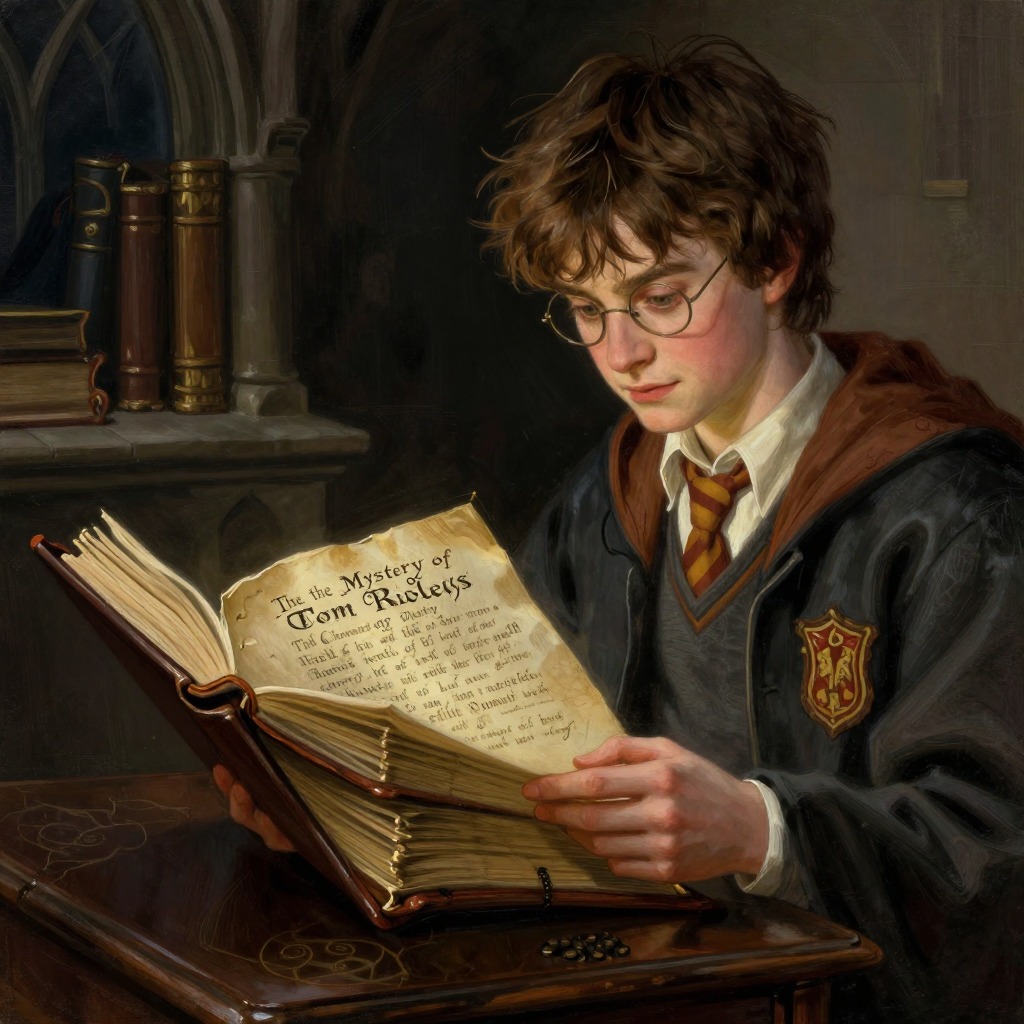
The fang is central to the mystery of the Chamber of Secrets. Hermione Granger, in her research, discovers a page from an old library book that describes the Basilisk and its properties. She scribbles the word "Pipes" at the bottom, realizing that the monster has been moving through the school's plumbing. This revelation explains why Harry can hear the creature's voice—he is a Parselmouth, able to understand the serpent's language. The fang, therefore, is not just a weapon but a clue that unravels the entire plot, connecting the attacks to the legendary monster and its hidden lair.
The Battle and the Wound
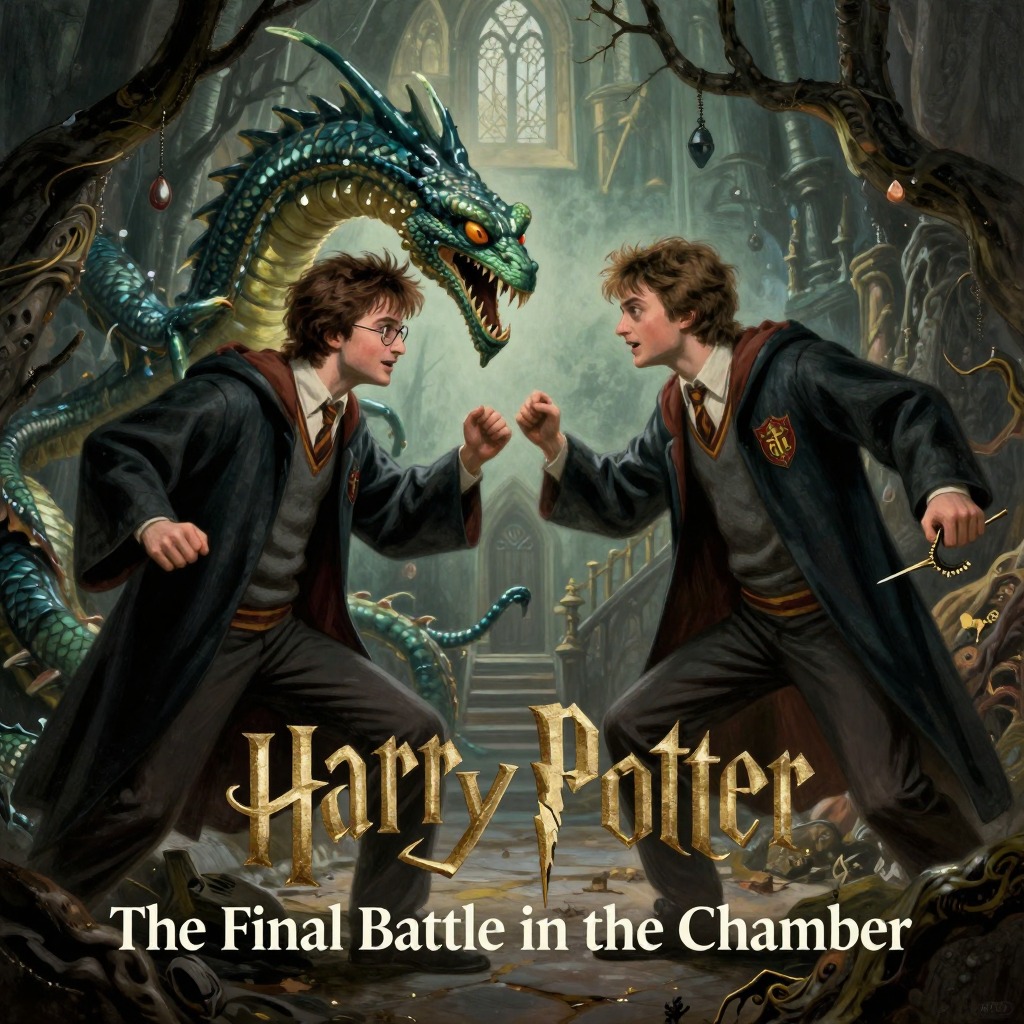
In the climactic confrontation within the Chamber, Harry faces the Basilisk after it emerges from the mouth of Salazar Slytherin's statue. Blinded by Fawkes the phoenix, the serpent lunges at Harry, who drives the Sword of Gryffindor into its mouth. As the beast dies, one of its fangs sinks into Harry's arm, splintering as it pierces his flesh. The venom begins to spread, and Harry, knowing he is poisoned, watches as Fawkes weeps over the wound. The phoenix's tears, which have healing powers, cure him, but not before the fang has served its purpose—it is the same fang that Harry will use to destroy the diary.
The Destruction of the Diary
After the Basilisk is slain, Tom Riddle, the memory preserved in the diary, prepares to kill Harry. But Fawkes drops the diary into Harry's lap, and in a moment of instinct, Harry seizes the Basilisk fang from the floor and plunges it into the heart of the book. The diary screams, ink spurts out in torrents, and Riddle's memory is destroyed. The fang's venom burns a hole through the diary, erasing the dark magic that had possessed Ginny Weasley and had been orchestrating the attacks. This act not only saves Ginny but also eliminates the threat of the Heir of Slytherin, proving that the fang, once a symbol of death, becomes the tool of liberation.
Significance and Aftermath
The Basilisk fang is a potent symbol of the duality of power: it is both a deadly weapon and a means of salvation. Its use in destroying the diary underscores the theme that even the most dangerous objects can be turned against their creators. The fang's role in the story highlights the importance of courage and resourcefulness, as Harry, despite being poisoned, uses the very instrument of his near-death to defeat the enemy. The fang also serves as a reminder of the Basilisk's reign of terror, which Petrified several students and nearly killed Ginny, and its destruction marks the end of the Chamber's threat, allowing Hogwarts to return to normal.